


In modern warehousing, clarity is key. Whether you need practical know-how or the right solution, our platform combines all our knowledge and helps get more out of your daily warehouse operations and existing processes. Step by step with measurable results.
Digitalization that works.
Real added value is created when data is used in a targeted manner to support precisely these steps and seamlessly connect processes. The following infographic guides you through the typical warehouse areas and shows you exactly where and how you can start to achieve just that.
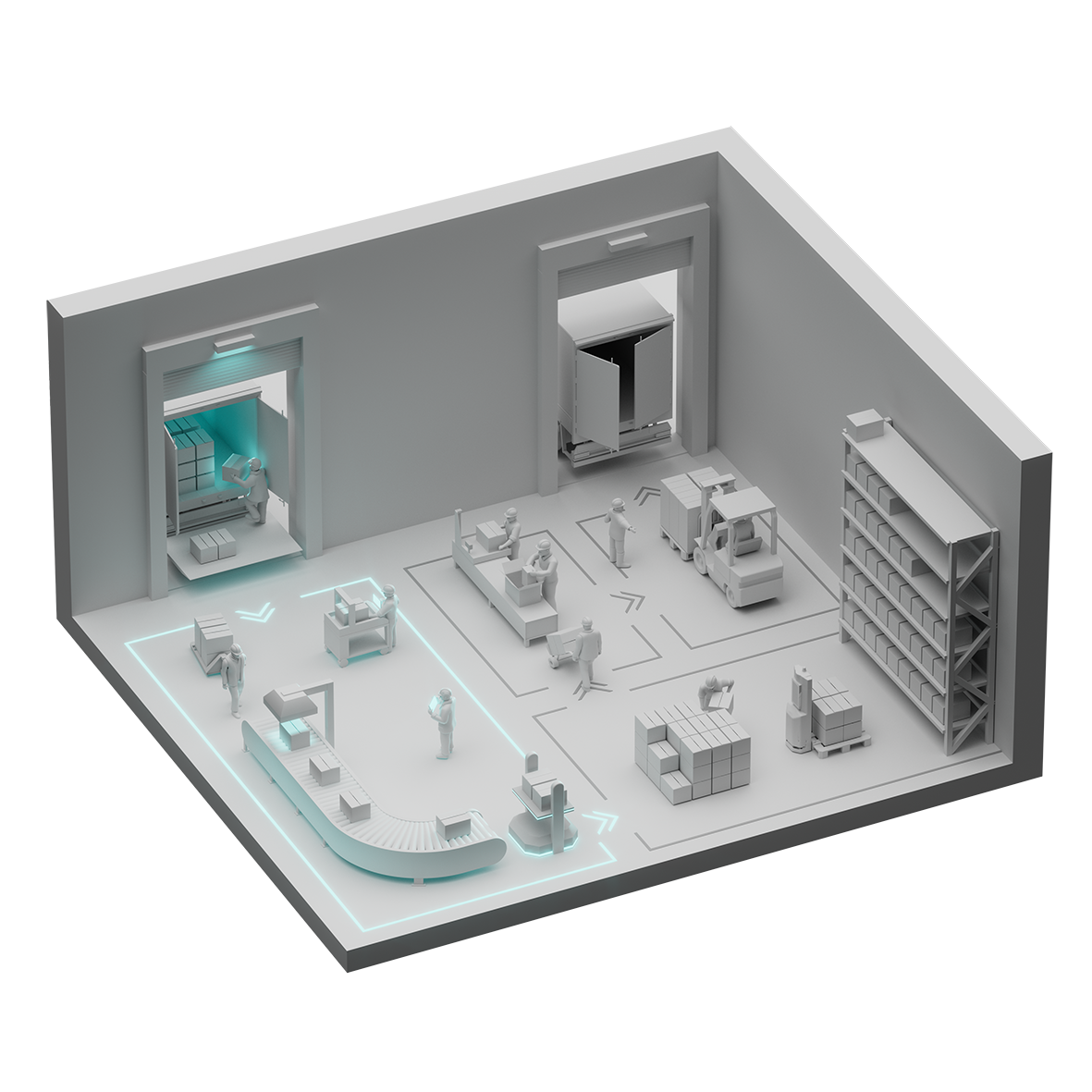
Each delivery is received, checked, and recorded in the goods-in department - the starting point for all commodity flows. From master data maintenance and initial quality control to preparing goods for storage, a clean start lays the foundation for all subsequent steps in a warehouse.
Typical process steps in this area include:
Goods receipt
Quality Check
Goods Collection
Master data capture and article maintenance
Quantity and identity check
Document management
Returns processing
Batch and serial number entry (primary entry/verification)
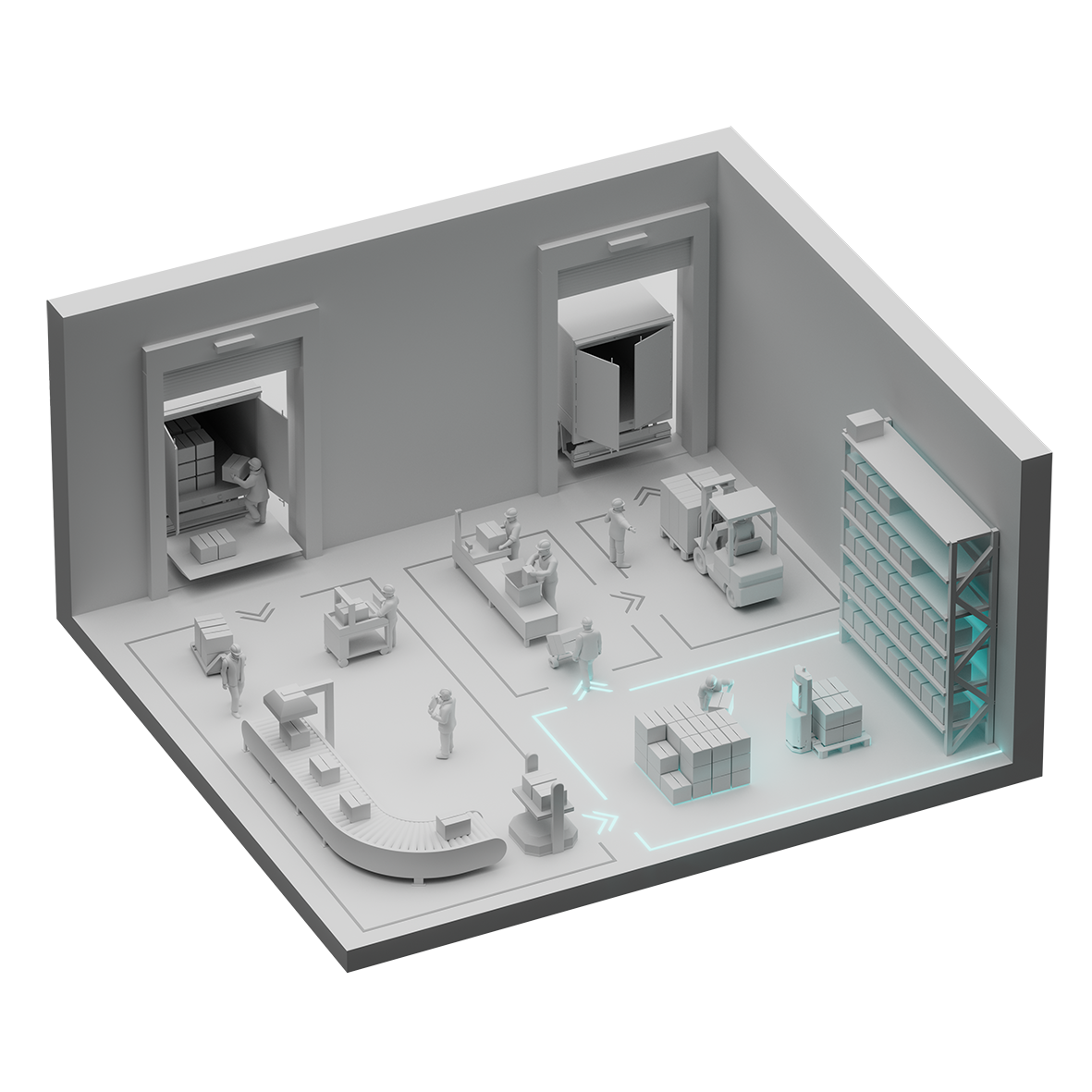
A warehouse is more than just a shelf—it's a dynamic system. Here, goods are systematically stored, transferred, and retrieved in order to intelligently manage inventory and ensure that replenishment is guaranteed. The goal is to achieve the perfect balance: maximizing the availability of goods while making optimal use of storage space.
Typical process steps in this area include:
Temporary storage
Repackaging
Relocation
Inventory management
Inventory
Batch and serial number management (ongoing monitoring / maintenance)
Returns management
Blocked stock
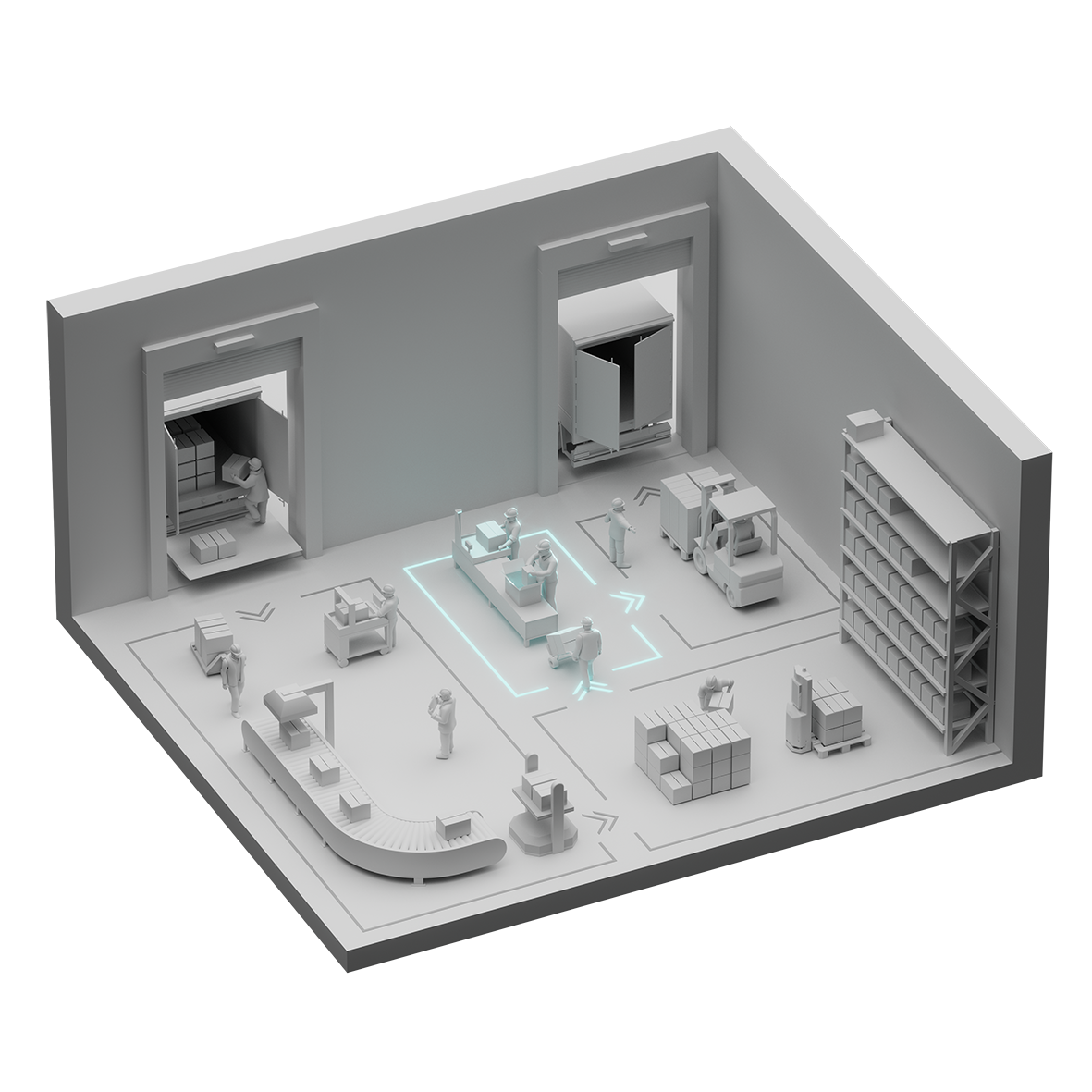
Your ability to satisfy customers comes down to flawless order picking. This is the step where you either fulfill requests or create complaints. Your ability to satisfy customers comes down to flawless order picking. This is the step where you either fulfill requests or create complaints. Orders are prepared with precision at every stage: single and multi-order processing, packaging, labeling, and final quality check. This ensures that everything is just right before it leaves your warehouse.
Typical process steps in this area include:
Order planning
Pick list
Picking procedure
Packaging selection
Picking and completeness check
Shipping labeling
Shipping documents

The final step counts. In the goods-out area, your team prepares goods for shipping, records final data, and organizes loading. Clear, digitally documented processes ensure that every shipment is dispatched on time and can be tracked throughout its entire journey.
Typical process steps in this area include:
Dispatch staging
Dispatch data capture
Dispatch zones
Final inspection
Outgoing goods entry
Loading
Dispatch notification
Pallet formation

Internal transportation is the nervous system that links all parts of your warehouse and plays a key role in determining the speed, safety, and efficiency of material flow. It ensures that goods move smoothly throughout the warehouse. Intelligent planning optimizes routes, avoids downtime, and increases throughput, regardless of whether the process is automated or manual.
Typical process steps in this area include:
Transport orders
Material flow control
Priorization
Loading aids
Route planning
Safe transport & navigation
Perfect. We love discussing individual situations and use cases relating to our solutions in person. Free up some more time for your own work. Just drop us a line.


